Why Builders Licence in Victoria Matters for Safe Construction
Construction sites across Victoria can get intense as summer rolls into autumn. The heat lingers, trades are flat out, and projects often run on tight, demanding schedules. That’s why site safety becomes more important than ever during this time. A single missed step or skipped check can set things back or put people at risk.
Holding a builders licence in Victoria plays a big part in keeping things safer across the board. It’s not just paperwork. It means the person in charge has the right experience and approvals to take responsibility and do things properly. It helps protect the people doing the work and those living with the results. When builders follow the correct steps, safety isn’t left to chance.
Why Licensing Keeps Construction Sites Safer
Licensing helps set a strong base for safety on site. When someone is licensed, it usually means they’ve been checked for skills, experience, and knowledge of building laws. They understand how things should be done and when to bring in other qualified trades.
Unlicensed work can lead to shortcuts, unsafe builds, or structural issues that aren’t obvious until much later. We’ve all heard stories where something small turned into something serious because the right licence wasn’t in place. Licensed builders are also less likely to leave out inspections or sign-offs, which means fewer surprises later.
The law in Victoria backs all of this. It’s set up so that only licensed builders can take on major work. That protects everyone involved, from trades and suppliers to the property owner. If something does go wrong and you’re not licensed, support can be hard to find.
What the Right Licence Covers (and Why That Matters)
Not all builder licences are the same. Picking the right one comes down to what you’re actually doing on site.
• Domestic Builder Unlimited (DB-U): This licence lets you take on the full scope of work involved in building or renovating a home. It covers managing jobs, hiring subcontractors, and signing off on completed work.
• Domestic Builder Limited (DB-L): This licence is for a specific trade or type of work like tiling, waterproofing, or kitchen fitting. It doesn’t allow you to manage a full build, but it does let you handle your trade with independence.
• Commercial Builder: This licence applies to non-residential projects including office spaces, retail buildings, or warehouses. It usually involves heavier requirements around planning and compliance.
Having the correct licence helps avoid site issues. Building without the right one can slow everything down or even trigger fines and rework. Crews rely on licensed builders to coordinate jobs and keep everything on track. When people know you have the right qualifications, it builds more trust on site, and things tend to run smoother.
Sometimes, the difference between having the right licence and missing it comes down to the scope of work involved on the site. Even small changes in project type, size, or complexity can mean a different set of rules. If you’re not sure what licence a specific task needs, asking early can save you headaches later on. Some builders make the mistake of taking on work that looks simple, but it’s actually covered by a licence class they haven't secured, which ends up causing trouble if something goes wrong.
With the right licence, you’re able to plan and supervise all aspects of the build. That includes keeping an eye out for issues that could cause problems down the road. Licensed builders know when to call for extra checks, how to organise follow-up inspections, and how to balance speed with doing things properly. This way, you keep work moving while still protecting everyone involved in each part of the project.
Why Recognition of Prior Learning (RPL) Can Help Builders Get Licensed
Lots of builders have been working for years without picking up the paperwork. That doesn’t mean they’re not qualified, it just means their path might look different. Recognition of Prior Learning (RPL) gives experienced tradies a way to use their past jobs to get licensed more quickly.
Instead of relearning what they already know, tradies can show their skills through examples of real site work. Tasks that count toward RPL include things like:
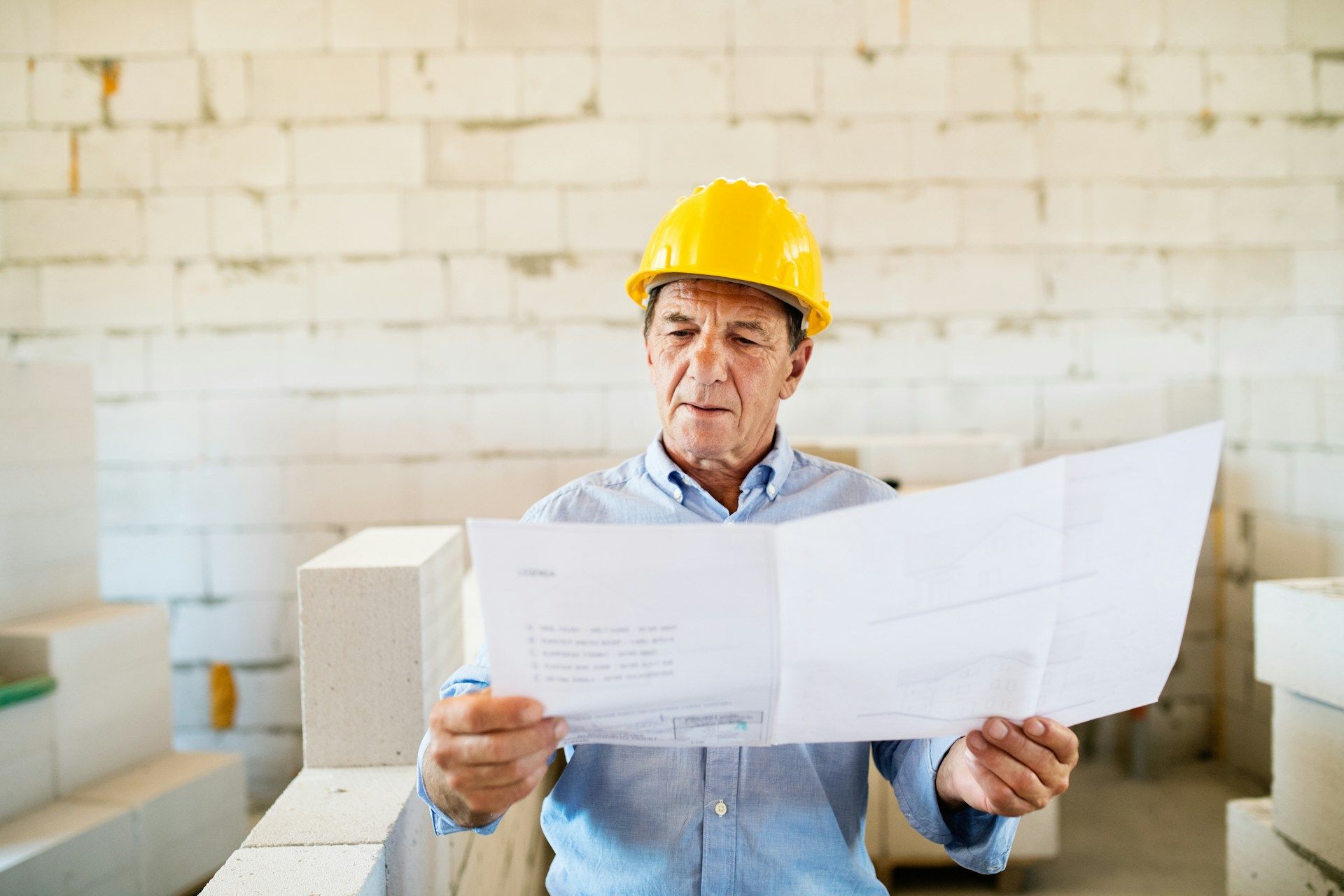
• Reading and following detailed building plans
• Supervising a team or running day-to-day construction tasks
• Organising subcontractors and making sure work meets code
• Keeping records and following up on compliance requirements
RPL can help speed things up, but it doesn’t cut corners. It still requires proof of what you’ve done and how it lines up against the licence category you want. This way, builders can build on their experience without starting from scratch and still meet all the safety and legal standards.
Trade Registered specialises in helping Victorian builders secure the right licence and convert on-site skills into formal qualifications using the RPL pathway. Our experienced advisors have extensive background in building, licensing, and RPL assessment, giving clients an advantage during the licensing process.
Builders who have experience in construction often have the practical skills but not the paperwork. By using RPL, you can avoid spending time on repeating training you already know, speeding up your move towards being fully licensed. It reassures both your team and your clients that your skills are recognised and up to date. For anyone juggling multiple jobs or managing a busy crew, RPL keeps things moving without taking you off the tools for extended training courses.
When to Apply and How Timing Affects Job Safety
Getting licensed takes time, and it’s best not to leave it too close to the busy season. Across most of Victoria, February through April often brings a wave of new builds, extensions, and jobs that have waited out the worst summer heat.
Waiting until you’re already booked out means you’re trying to do paperwork in between job sites or after hours. Rushing this process can lead to missing documents or picking the wrong licence class, which ends up slowing things down even more. For safety, the earlier you apply, the better. It gives you space to handle checks or feedback from the regulator, fix any gaps, and avoid hold-ups on your upcoming jobs.
Being licensed ahead of time doesn’t just help you, it makes the whole job safer. You can quote accurately, plan better, and focus on overseeing the build instead of scrambling to fill out forms between installs and final inspections.
It’s much easier to sort licensing before busy season starts. This way, you’re not distracted by deadlines or worried about paperwork getting in the way of focusing on site safety. You can gear up for coming projects, confident that everything is ready. If you’re thinking about upskilling or shifting roles, the months leading up to autumn are a good time. This gives you plenty of breathing space for any required paperwork or assessments, which leaves you with more time to plan and manage your sites.
How Licensing Supports Trust with Clients and Crews
Teams work better when they trust who’s leading the job. A valid licence shows them you know the rules and that you’ve been tested on your knowledge. It gives peace of mind, especially when working on larger projects where multiple trades come together.
Homeowners see it the same way. Whether they’re building new or renovating, they want someone who’s qualified to take on the job safely. A licence proves that you’re serious, that you’ve done this before, and that you’re working to meet legal standards, not just get the job done fast.
Our experience shows that crews tend to work more confidently under a licensed builder. Things are better coordinated, and safety isn’t an afterthought. From small repairs to full builds, the right licence helps set the tone on site.
Having a licence is about more than just legal permission. It tells your team you have put in the effort to know the right procedures and keep their wellbeing in mind. It’s a two-way street, when the person in charge is licensed, the crew is likely to be more open about issues they spot, making site safety something everyone focuses on.
Building Safer Sites Starts with Building the Right Way
Getting a builders licence in Victoria isn't just about ticking boxes on a form. It affects the way jobs flow, how risks are managed, and how people feel when they step onto a site. It’s a safety choice as much as a professional one.
When builders hold the right licence for the work they’re doing, everyone is better off. The build goes smoother, legal risks are lower, and crews feel more secure. It shows respect not just for the job, but for everyone involved in it. Licensing doesn’t replace experience, but using both together builds a stronger, safer future in construction.
Thinking about your next step toward securing your builders licence in Victoria? We’re here to guide you through the entire process, from exploring your eligibility and reviewing your past experience to explaining how options like RPL can help you get licensed faster. With the correct approval, you can tackle upcoming projects across Victoria with confidence, knowing your business is operating safely and legally. To learn how Trade Registered supports builders across Victoria at every stage of their
builders licence in Victoria, get in touch with us today.